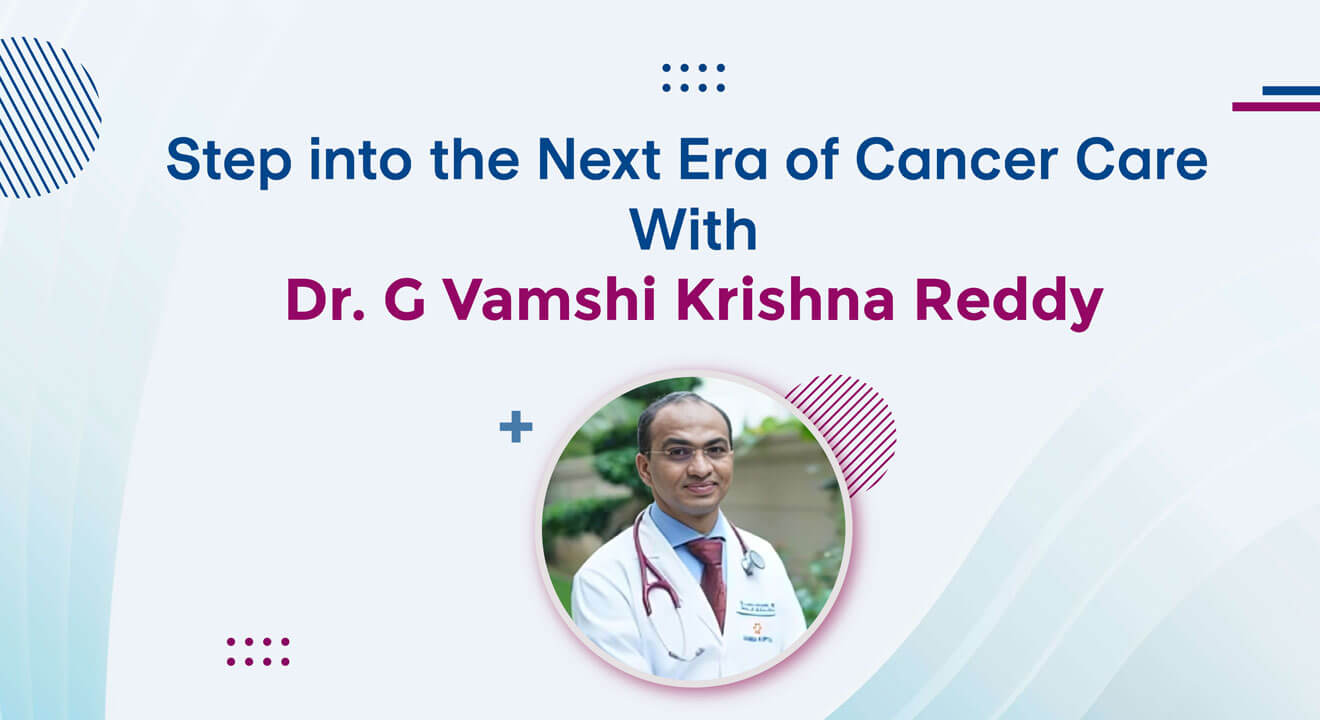
Dr G Vamshi Krishna Reddy
The Best Oncologist Doctor
MD, DM (Medical Oncology)
Senior Consultant Medical OncologistDirector - Medical Oncology Services, Yashoda Hospitals
Best Oncologist in Hyderabad
Dr. G Vamshi Krishna Reddy MD, DM (Medical Oncology) is a Senior Consultant Medical Oncologist at Yashoda Hospitals, Malakpet. With over 12 years of experience in successfully treating various types of cancer, Dr. GVK Reddy is known to be one of the best oncologists in Hyderabad.
After a brief stint as an assistant prof in Osmania, he completed his DM in Medical Oncology from the prestigious Nizam's Institute of Medical Sciences, Hyderabad. He has been associated with Yashoda Hospitals as Consultant Medical Oncologist since 2013.
Know More Book Appointment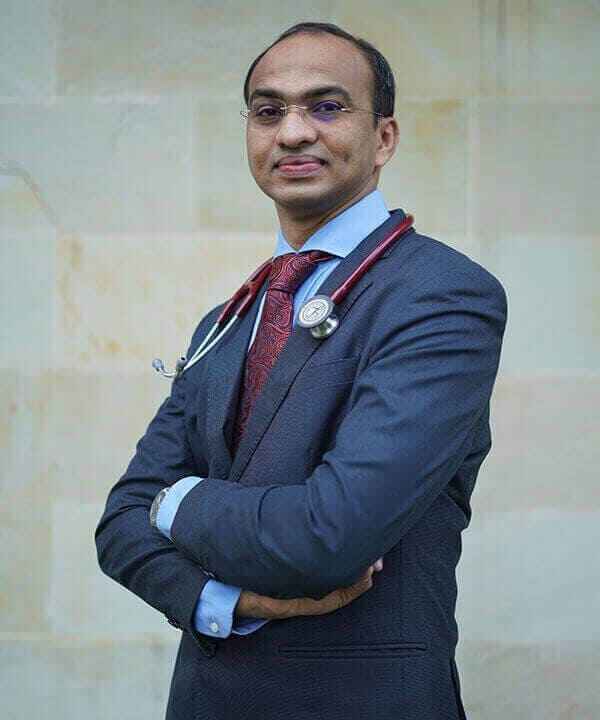
99%
Patient Satisfaction
4000+
Patients Per Year
13+
Years of Experience
100+
Bone Marrow Transplantation
Bone Marrow Transplant, also known as Stem Cell Transplant, is a procedure in which diseased bone marrow is replaced by healthy blood forming stem cells.
Bone marrow transplant has been successfully used to treat many diseases, specifically blood cancers like leukemias, lymphomas.
Bone Marrow Transplant can be used to replace damaged & non-functioning bone marrow with healthy functioning cells in diseases like leukaemia, aplastic anaemic & sick cell anemia.
Bone Marrow Transplant can also be used to regenerate a new immune system that can fight leukaemia or other cancers that are not killed by radiation or chemotherapy.
Bone Marrow Transplant can also be used to replace bone marrow & restore its normal function after high doses of radiation or chemotherapy are administered to treat a malignancy.
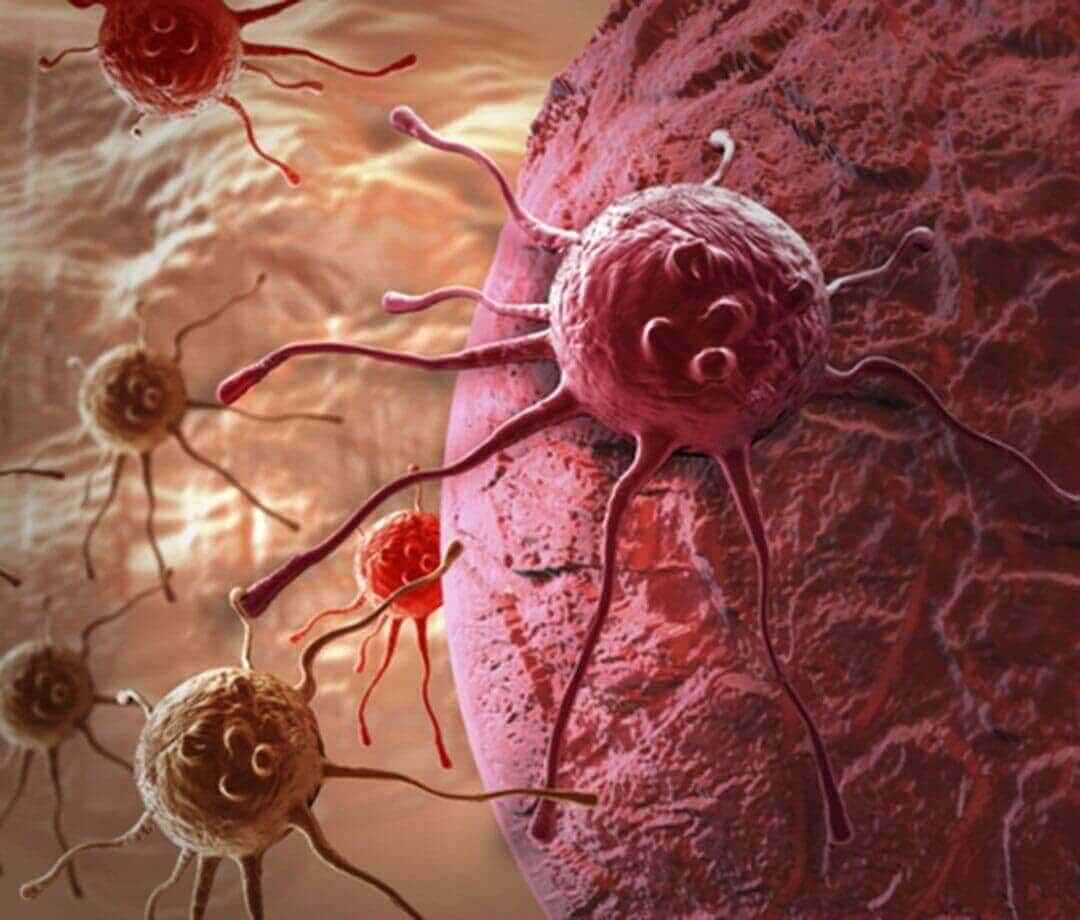
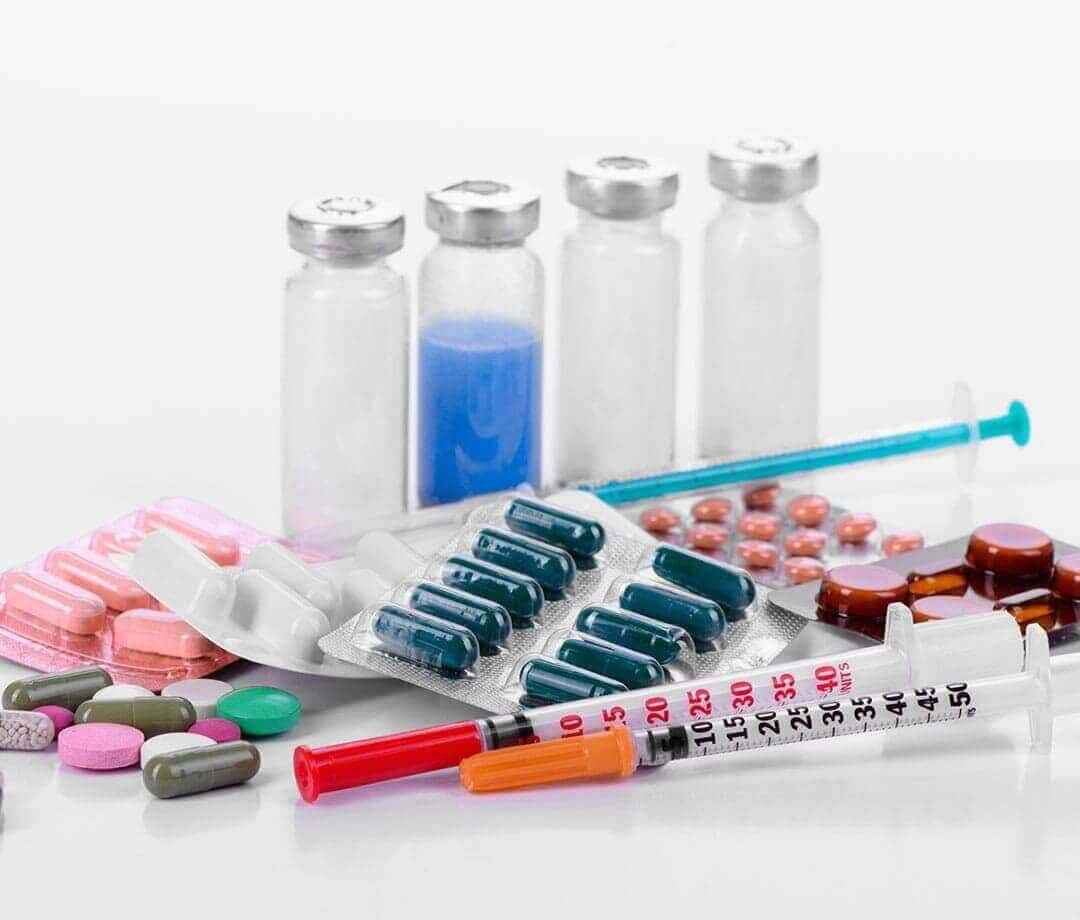
Chemotherapy is the most commonly used treatment approach for most forms of cancer. It is a drug treatment that destroys rapidly growing cells in the body.
There are many types of chemotherapy drugs available for treatment for different cancers. This treatment approach can be a standalone treatment or be used in combination with other methods like radiation & surgery.
Chemotherapy is most often used to kill cancer cells in patients suffering from various cancers.
Chemotherapy can be a standalone treatment option for patients who are not suitable for surgery or other treatment methods.
In most surgical cancer cases, there is a likelihood of certain harmful cells being left out. This is where chemotherapy comes in to destroy the remaining cancer cells.
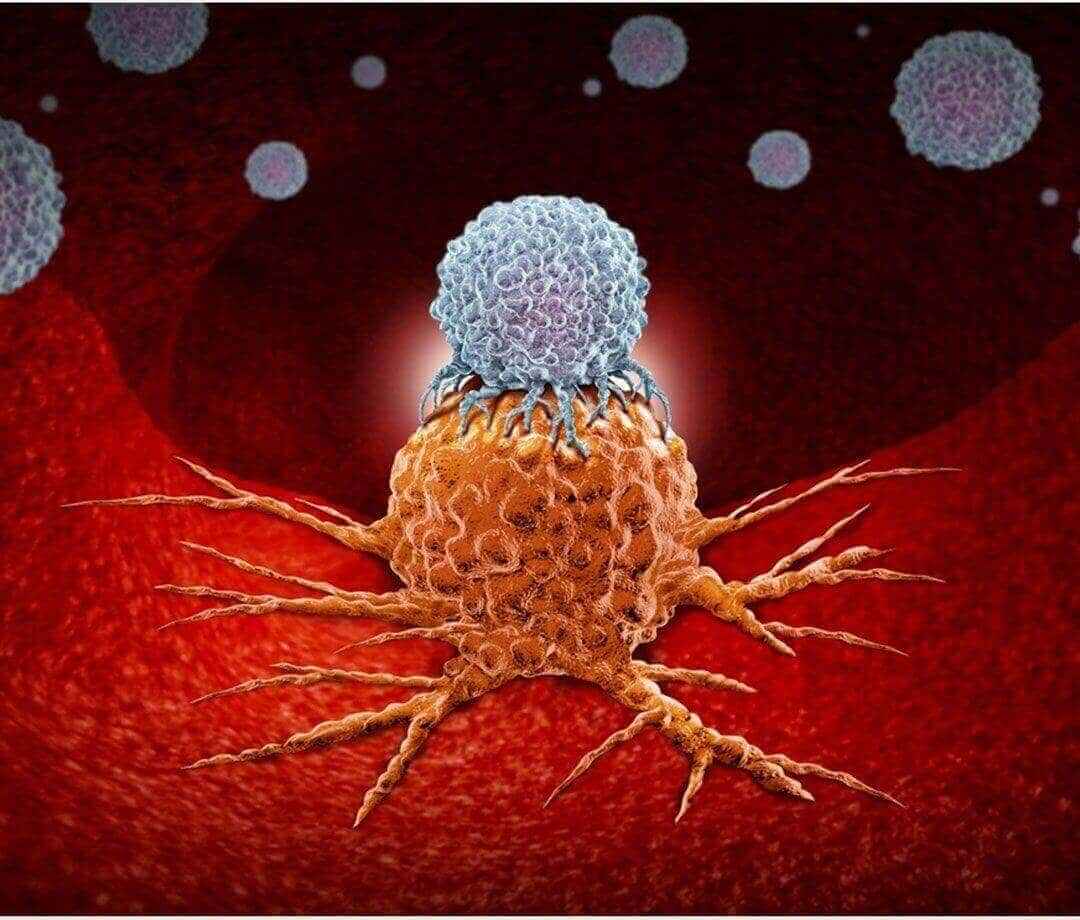
Cancer Immunotherapy or immuno-oncology is a promising & evolving treatment approach for cancer that uses the power of body’s own immune system to fight cancer.
Utilising the power of immune system is an excellent way to fight cancer. Here are few reasons why immunotherapy is a good treatment option for cancer patients.
- This therapy is precise & highly targeted. As such healthy cells are not adversely impacted.
- Just like cancer, the immune system can adapt continuously & dynamically.
- Our immune system has a memory that allows it to remember what cancer cells look like. This helps the immune system to target & eliminate the cancer in case of recurrence.
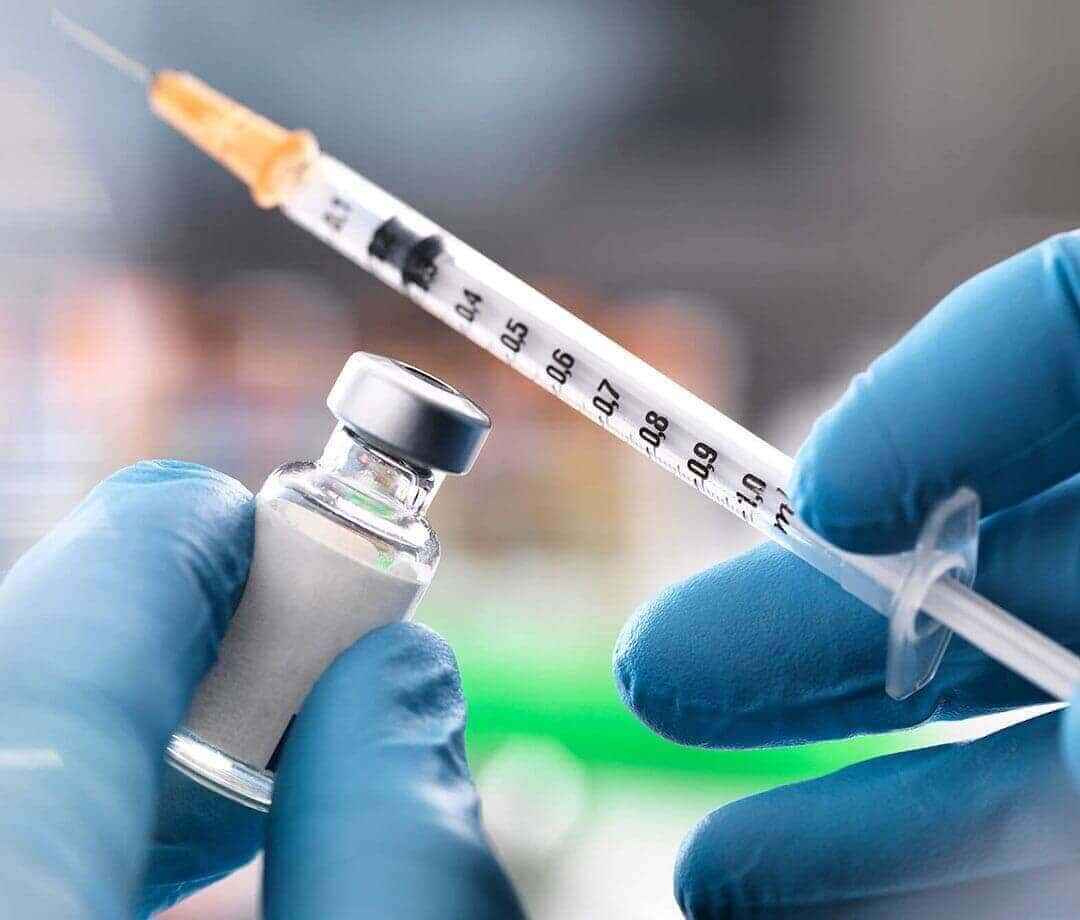
Certain cancers rely on growth of hormones. In other words, certain types of cancers are fuelled by these hormones.
In such cases, hormone therapy, also known as hormonal therapy or endocrine therapy, can be effective in slowing down or completely stopping the spread of cancer by blocking the body’s ability to produce certain hormones or altering the behaviour of hormone receptors in the body.
Cancers most commonly treated with Hormone therapy include :
- Breast Cancer
- Endometrial Cancer
- Ovarian cancer
- Prostate Cancer
Genetic counselling offers you a way to learn how likely you are to develop cancer. This is useful for individuals who have close family members affected by this disease.
Interestingly, only 5 to 10% of all cancers are linked to genes. In most cases, genetic testing may be required only when certain types of cancer run in a family and a problem with a gene is known to be the cause.
Genetic counsellors will:
- Evaluate the individual's personal & family cancer history
- Analyse individual's inherited cancer risk
- Simplify the concepts of genetics & hereditary cancer risks
- Empower the individual to make an informed decision
- Address the individual's queries & concerns
World Class Expertise
Dedicated to providing you with the top notch, advanced, comprehensive & compassionate cancer care through innovative & advanced treatments.
Cancers
We Treat
Google Reviews
Patient's Speak
F.A.Q
Frequently Asked Questions
-
How do I choose the right medical oncologist in Hyderabad?
Dr. G. Vamshi Krishna Reddy is an MD, DM (Medical Oncology) doctor and Director–Oncology Services, Consultant Medical Oncologist & Hemato Oncologist at Yashoda Hospitals, Malakpet, Hyderabad. His profile lists experience in chemotherapy, targeted therapy, immunotherapy, tumour board consultation and hematology services, with expertise including lung, breast, ovarian and colon cancers and hematological malignancies.
-
What does a medical oncologist do, and when should I see one?
A medical oncologist diagnoses and manages cancer using systemic treatments such as chemotherapy, targeted therapy, immunotherapy and, where appropriate, hormone therapy. You may see one after a cancer diagnosis, when treatment needs to be planned, or when you need specialist advice about systemic cancer treatment.
-
What warning signs should prompt urgent oncology or medical care?
Persistent unexplained symptoms such as an unusual lump, unexplained weight loss, abnormal bleeding, or a prolonged cough should be medically evaluated. Coughing blood, severe breathlessness, or sudden severe pain need same-day medical care rather than waiting for a routine appointment.
-
What should I ask an oncologist during my first appointment?
Ask about the exact cancer type and stage, the purpose of the proposed treatment, expected benefits and side effects, treatment duration, whether molecular or other additional tests are needed, and what alternatives may be appropriate. Bring pathology reports, biopsy results, scans, blood-test reports and a list of current medicines.
-
How do oncologists diagnose cancer?
Diagnosis may involve medical history and examination, imaging such as CT, MRI or PET scans when appropriate, blood tests, and a biopsy or other tissue/cell testing. The exact work-up depends on the suspected cancer and the findings from earlier tests.
-
What modern cancer treatment options are available in Hyderabad?
Modern cancer care may include chemotherapy, targeted therapy, immunotherapy, hormone therapy, surgery and radiation therapy, depending on the cancer. Targeted therapy is used when a tumour has a relevant molecular target; immunotherapy helps the immune system recognize and attack cancer cells and is used for selected cancers and situations. Dr. G. Vamshi Krishna Reddy's verified profile lists chemotherapy, targeted therapy, immunotherapy, tumour board consultation and hematology services.
-
How do doctors know whether cancer treatment is working?
Treatment response may be assessed using symptoms, physical examination, blood tests, tumour markers where appropriate, and imaging such as CT or PET scans. The timing and type of assessment depend on the cancer and the treatment being given.
-
When should I get a second opinion for a lung cancer diagnosis?
A second opinion can be useful when you want to confirm the diagnosis or stage, review pathology or molecular results, or discuss whether surgery, radiation, chemotherapy, targeted therapy, immunotherapy or a clinical trial should be considered. It is especially reasonable when the diagnosis or treatment plan is complex or you are uncertain about the recommended approach.
-
How is the right lung cancer treatment plan decided?
The plan starts with confirming the lung cancer type, stage and pathology. For non-small cell lung cancer, staging generally uses the TNM system and is grouped into stages I through IV; small cell lung cancer is commonly described as limited-stage or extensive-stage disease. Doctors also consider molecular results, overall health and treatment goals before selecting surgery, radiation, chemotherapy, targeted therapy, immunotherapy or combinations.
-
What genomic or mutation tests are used in lung cancer?
For non-small cell lung cancer, commonly considered biomarkers can include EGFR, ALK, ROS1, BRAF and other actionable alterations, along with PD-L1 testing. Testing is generally performed on biopsy/tumour tissue and, when appropriate, may also use a blood-based test. The exact panel should be confirmed by the treating oncologist and pathology team because testing depends on the cancer subtype and clinical situation.
-
How is lung cancer diagnosed, and how long can diagnosis take?
Lung cancer evaluation may include chest imaging, laboratory tests and a biopsy to establish the diagnosis. Symptoms that should prompt evaluation include a cough lasting more than 3 weeks, coughing blood, unexplained weight loss and breathlessness; this is particularly important for people who smoke or have a significant smoking history. As a general guide, diagnosis may take several days to a couple of weeks when routine imaging and biopsy are completed; it can take longer when additional molecular or specialized tests are required. Actual timing varies by case and laboratory turnaround.
-
What should I expect at my first lung cancer specialist appointment?
The specialist will review your symptoms, medical history, smoking history where relevant, pathology or biopsy reports, scans and other test results. The discussion may cover the cancer type and stage, whether molecular testing is needed, treatment options, treatment goals, expected side effects and the next tests or treatment steps.
-
What does an oncologist do during chemotherapy treatment?
The oncologist confirms the treatment protocol, reviews blood counts and other relevant tests, monitors response and side effects, and adjusts treatment when clinically necessary. Supportive medicines may be used to prevent or control side effects such as nausea, and the oncology team gives instructions about symptoms that require urgent contact.
-
How do oncologists decide which chemotherapy treatment is right for a patient?
Selection depends on the cancer type and stage, pathology, molecular or biomarker results where relevant, previous treatments, overall health, organ function, expected benefits and potential risks. For some cancers, chemotherapy is combined with targeted therapy, immunotherapy, surgery or radiation depending on the treatment plan.
-
What should I know before my first chemotherapy session?
Before treatment, confirm the medicines being given, the purpose of treatment, the schedule and expected duration, common side effects, medicines to take at home, food and activity instructions, and who to contact after hours. Ask the oncology team what symptoms require urgent assessment and keep the team's contact number available.
-
How long does a typical chemotherapy appointment take?
Many outpatient chemotherapy infusions take roughly 1–4 hours, but the total visit can be shorter or much longer depending on the medicines, pre-medications, hydration, monitoring and protocol. Some treatments require prolonged or repeated infusions. The oncology team should confirm the expected duration for the specific regimen before each cycle.
-
What side effects can happen during or after chemotherapy, and when is it urgent?
Common side effects can include nausea or vomiting, fatigue, hair loss, low blood counts, mouth ulcers and changes in appetite or bowel habits. Management may include anti-nausea medicines, mouth care, hydration, blood-count monitoring and treatment adjustments when needed. Fever of 38°C (100.4°F) or higher, chills, uncontrolled vomiting or diarrhoea, unusual or significant bleeding, severe breathlessness or chest pain during or after chemotherapy need urgent contact with the oncology team or emergency care. Patients should ask their doctor to confirm the exact thresholds and the emergency/after-hours contact number for their treatment plan.
Blog
Cancer patient management during the Covid-19 pandemic
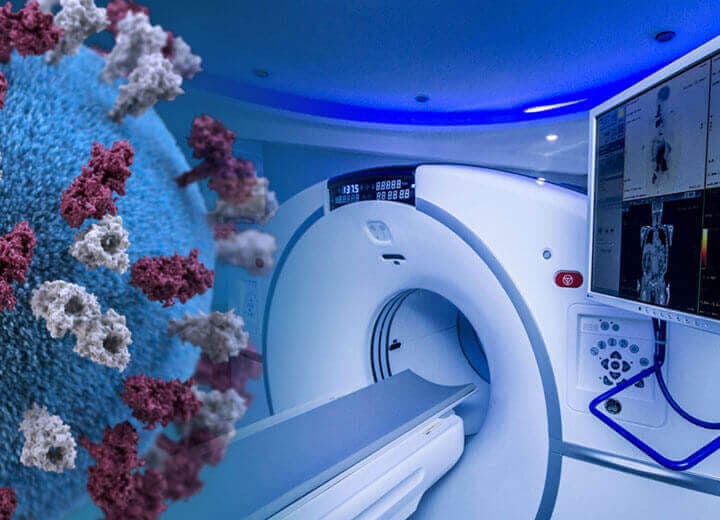
As I think about writing this article during the third and probably last COVID wave, I cannot forget the guilt and helplessness I faced in my clinic today, about an elderly woman who presented with an incurable breast cancer due to delay in access to proper medical care during COVID lockdown...
Read this blog on Times of IndiaWhy
Why Choose Us
Experience & Expertise
Compassionate Care
Personalised Treatment Approach
Advanced Technology
Evidence Based Treatments
Contact
Contact Us